
Brass Turned Parts & CNC Machining
Brass turned parts and CNC machined brass components for UK manufacturers, from single prototypes to production batches of 10,000. We turn CZ121, CW614N, CZ108 and lead-free brass on live-tooling lathes in Leighton Buzzard, and every batch is inspected and fully traceable.
Brass Turned Components Overview
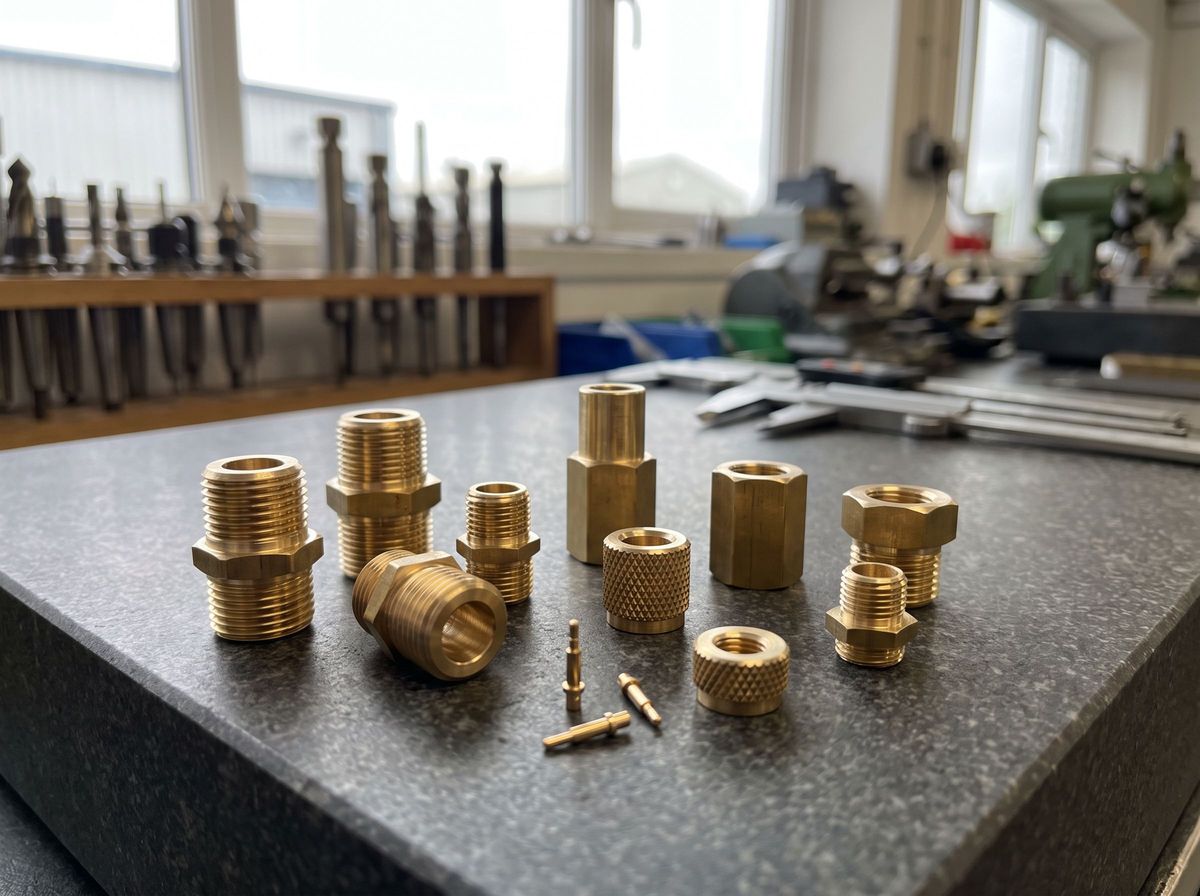
Brass turned parts are the bread and butter of precision turning, because brass is one of the most machinable metals available and suits high-volume turned components and complex milled parts alike. Its combination of good corrosion resistance, electrical conductivity, antimicrobial properties and attractive appearance makes it widely used across plumbing, electrical, marine and decorative applications.
Free-cutting brass grades like CZ121 produce short, clean chips that allow very high machining speeds, resulting in fast cycle times and lower production costs. This makes brass particularly cost effective for medium to high volume production runs on CNC lathes.
At Clarent Precision, we machine the full range of brass grades including CZ121 (free-cutting), CZ108 and C360. Our guide to brass grades for machining compares them on machinability and cost, including the lead-free options. Whether you need precision plumbing fittings, electrical connectors or decorative hardware, our CNC milling and turning facility in Leighton Buzzard delivers components to specification and on time.
Key Properties of Brass
Excellent Machinability
Free-cutting brass is one of the easiest metals to CNC machine, enabling fast cycle times and exceptional surface finishes straight off the tool.
Corrosion Resistant
Good resistance to corrosion in water and many chemical environments. Particularly suited to plumbing and marine applications.
Antimicrobial
Copper alloys including brass have natural antimicrobial properties, killing bacteria on contact. Increasingly valued in healthcare and public spaces.
Electrical Conductivity
Good electrical and thermal conductivity makes brass a popular choice for electrical connectors, terminals and bushings.
Aesthetically Appealing
The distinctive gold colour and ability to take a high polish make brass popular for decorative hardware and visible components.
Low Friction
Natural lubricity makes brass an excellent choice for bearings, bushings and sliding components where low friction is important.
Our Brass Machining Capabilities
- CNC Milling: 3 and 4 axis machining centres. Sizes up to 762mm x 406mm x 508mm. Complex profiles with excellent surface finish.
- CNC Turning: Live tooling lathes ideal for high-volume brass turning. Capacity up to Ø279mm x 413mm.
- Batch Sizes: From single prototypes to large production runs. Milling batches up to 1,000+, turning up to 10,000. Brass's fast machining speeds make it ideal for higher volumes.
- Tolerances: Routinely achieving +/- 0.01mm on critical dimensions, verified by CMM inspection.
- Grades: CZ121 (free-cutting), CZ108, C360 and others on request.
Brass Turned Parts by Sector
Brass turns up wherever a part has to resist corrosion, conduct electricity or seal reliably on a thread, and the component types differ noticeably by sector.
Electrical & Electronics
Contacts, terminals, pins, connector bodies, earth bosses and threaded inserts. Brass carries current well and machines to the fine features connector work demands, which is why it dominates electrical turned parts.
Plumbing & Water
Valve bodies, compression fittings, adaptors, olives and manifold components. For potable water duty we machine lead-free grades that meet drinking water requirements.
Heating & Ventilation
Radiator valve components, thermostatic parts, gas train fittings, sensor pockets and control bodies for HVAC and boiler manufacturers.
Gas & Fire Suppression
Nozzles, discharge heads, valve internals, unions and pressure fittings, where brass gives corrosion resistance and reliable sealing on threaded joints.
Telecoms & Instrumentation
Cable gland bodies, RF and coaxial components, backshells, housings and precision instrument parts needing tight tolerances and clean finishes.
Marine & Decorative
Deck fittings, bushes, spacers and architectural hardware, where brass combines corrosion resistance in salt air with a finish that polishes well.
Brass also serves bearings, bushings, spacers and wear components across general engineering, and musical instrument work where its acoustic properties matter. If your sector is not listed, the material almost certainly still applies.
Lead-Free Brass Turned Parts
Lead-free brass turned parts are specified where lead in contact with drinking water, food or people is restricted. Standard CZ121 contains around 3% lead, and that lead is what makes it cut so freely. Take it out and the material behaves differently on the lathe.
The grades we see most are CW724R, a silicon brass sold under names such as ecobrass, and CW511L, a low-lead dezincification resistant brass used for potable water fittings. Both produce longer, stringier chips than CZ121, so cutting speeds come down and tooling choices change. Expect a higher part price. Part of that is slower cycle times, and part is bar that costs more per kilogram.
We buy lead-free bar with mill certificates and keep the certification with each batch, so every part traces back to the cast it came from. If your fitting needs WRAS approval or has to meet another drinking water standard, tell us at quote stage and we will match the grade to it.
Post-Production Treatments
Brass components can be finished to enhance appearance or performance through our approved sub-contractor network.
- Polishing: Mirror polish for decorative and visible components.
- Plating: Nickel, chrome, gold and other decorative or functional finishes.
- Lacquering: Clear lacquer to preserve the polished brass appearance and prevent tarnishing.
- Tumbling: For deburring and achieving a consistent surface finish across batch quantities.
Precision Component Examples
Examples of precision components produced at our Leighton Buzzard facility.
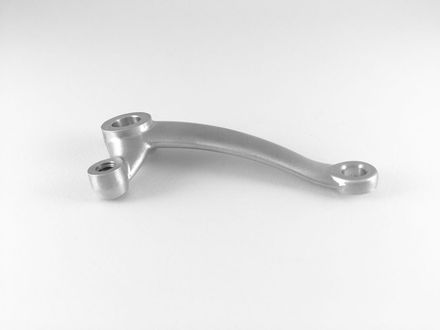
Precision milled component
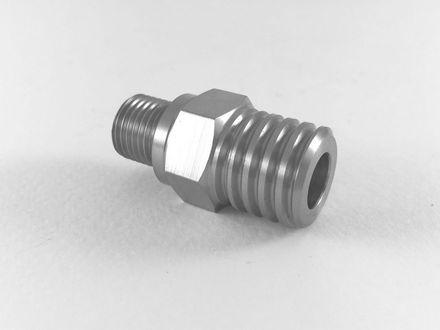
Precision turned connector
Quality Assurance
Every brass component is inspected in our temperature-controlled inspection department. Our ISO 9001 certified quality management system ensures consistent, traceable production. Full material certification, Certificates of Conformity and CMM reports are available as standard.
Our quality systems →Brass Turned Parts FAQs
What is the best brass grade for CNC machining?
CZ121 (also known as CW614N) is widely considered the best brass for CNC machining due to its lead content, which promotes excellent chip breaking and allows very high cutting speeds. It is the standard free-cutting brass and is ideal for high-volume turned components. For applications where lead content is restricted, such as potable water fittings, lead-free alternatives are available.
Can you supply lead-free brass turned parts?
Yes. Lead-free and low-lead brasses such as CW724R and the ecobrass family are used where drinking water regulations, RoHS or food contact rules restrict lead content. They machine more slowly than CZ121 and cost more per kilogram, so we only recommend them where the application genuinely requires it. Tell us the compliance standard your part must meet and we will source certified material.
How does brass machinability compare to aluminium?
Free-cutting brass (CZ121) is rated at 100 on the machinability index, making it the benchmark against which other materials are measured. Aluminium alloys typically rate between 70 and 90 on the same scale. Both are excellent for CNC machining, but brass produces cleaner chips and can often achieve superior surface finishes straight off the tool. The choice between the two typically depends on application requirements rather than machinability alone.
What surface finishes can you achieve on brass?
Brass machines to an excellent surface finish straight off the cutting tool, and we can achieve finishes down to Ra 0.8 or better as machined. For decorative applications requiring a mirror finish, we can arrange polishing through our sub-contractor network. Additional finishes including nickel plating, chrome plating and lacquering are also available.
What batch sizes do you handle for brass turned parts?
We handle everything from single prototypes to large production runs. Our CNC lathes with live tooling are particularly well suited to brass turning, with capacity for batches up to 10,000. Brass machinability means fast cycle times, which keeps per-unit costs competitive even at moderate batch sizes. We also offer a stockholding and call-off service for repeat orders.
Need Brass Components Machined?
From single prototypes to high-volume production runs. Send us your drawings for a fast, competitive quote.